




All photos provided by Gulfstream Aerospace Corp.
More than a year after Georgia-based Gulfstream Aerospace Corp. completed its expansion into the St. Louis region, its investment is reshaping the company’s presence here and expanding its role globally.
Gulfstream designs, manufactures, and services some of the world’s most advanced business jets. Its impressive facility in Cahokia Heights, Illinois, has increased capacity for the company’s aircraft completions, from exterior painting and interior outfitting to furniture installation and avionics integration. Today, more than 750 employees work at its Illinois outpost.
But the company’s St. Louis area investment extends even beyond its location and workforce: Gulfstream points to the region’s deep aviation heritage, skilled workforce, and partnerships with local schools, colleges, and universities as key advantages, and is investing in those relationships to build the next generation of aerospace talent. Through community programs such as its Build a Box partnership with the Center for Academic and Vocational Excellence (CAVE) in Belleville, Illinois, Gulfstream is bringing hands-on aviation manufacturing experience into classrooms and creating pathways to careers in the industry.
Gulfstream is also investing in technology, training, and more sustainable operations, including electric ground power units and electric vehicles for moving parts around its metro facility.
Tony Ray, Vice President and General Manager of St. Louis Completions at Gulfstream, says the goal is to build on the region’s momentum and establish it as an increasingly important aerospace destination.
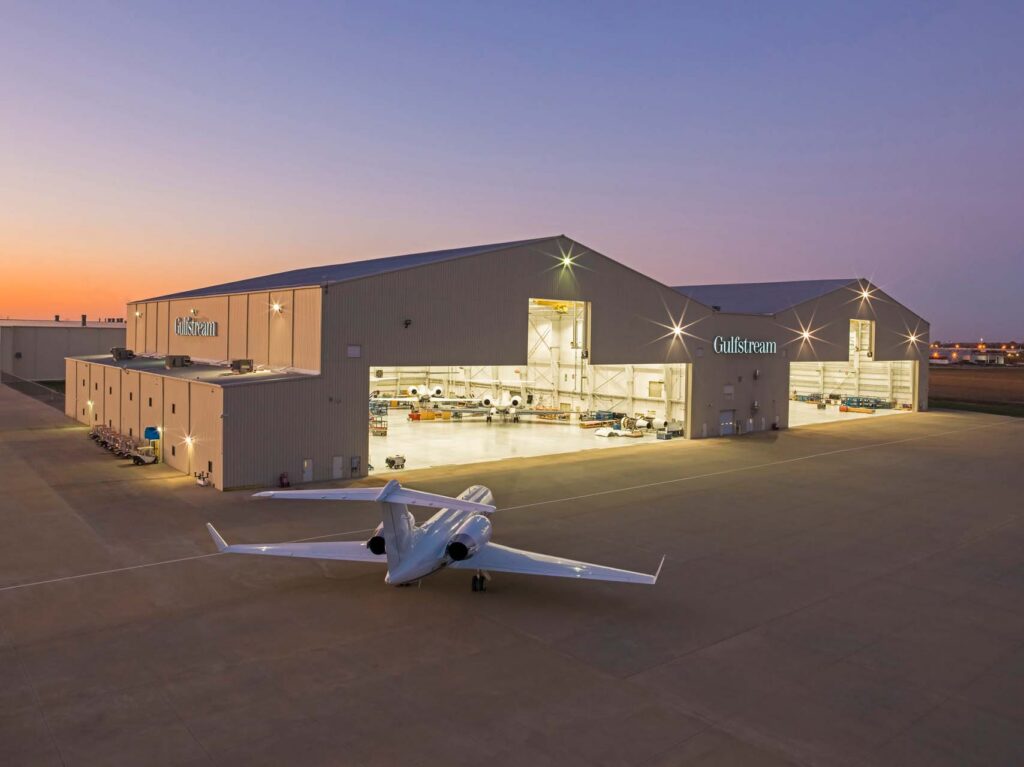
Photo provided by Gulfstream Aerospace Corp.
It’s been more than a year since Gulfstream completed its St. Louis area expansion. What measurable impacts have you seen?
The expansion has enhanced our ability to support customers and the growing fleet around the world and increased our capacity for aircraft completions, including exterior painting, interior outfitting, furniture installation, and avionics integration. Just as importantly, it has allowed us to continue growing our workforce and investing in the region. Since the expansion was announced, we’ve added over 200 new jobs, and today more than 750 employees work at our St. Louis facility. We’re very pleased with the progress we’ve made, and the role St. Louis continues to play in supporting Gulfstream customers.
How has the expanded facility changed Gulfstream’s role within the manufacturing and completions network?
St. Louis has become an increasingly important part of Gulfstream’s completions and customer support network. The expansion has allowed us to perform a broader range of aircraft outfitting activities while providing customers with the quality, craftsmanship, and attention to detail they expect from Gulfstream. It’s a great example of how we’re strategically investing in facilities that help support customers throughout the aircraft ownership experience.
You’ve described St. Louis as a “booming aviation hub.” What competitive advantages does the region offer Gulfstream?
The biggest advantages for Gulfstream in St. Louis are the people and the partnerships. This region has a deep aviation heritage and a highly skilled workforce that continues to support growth across our business. We also benefit from strong alliances with educational and community partners that help us attract and develop local talent. Together, those strengths have played an important role in Gulfstream’s investments in St. Louis.
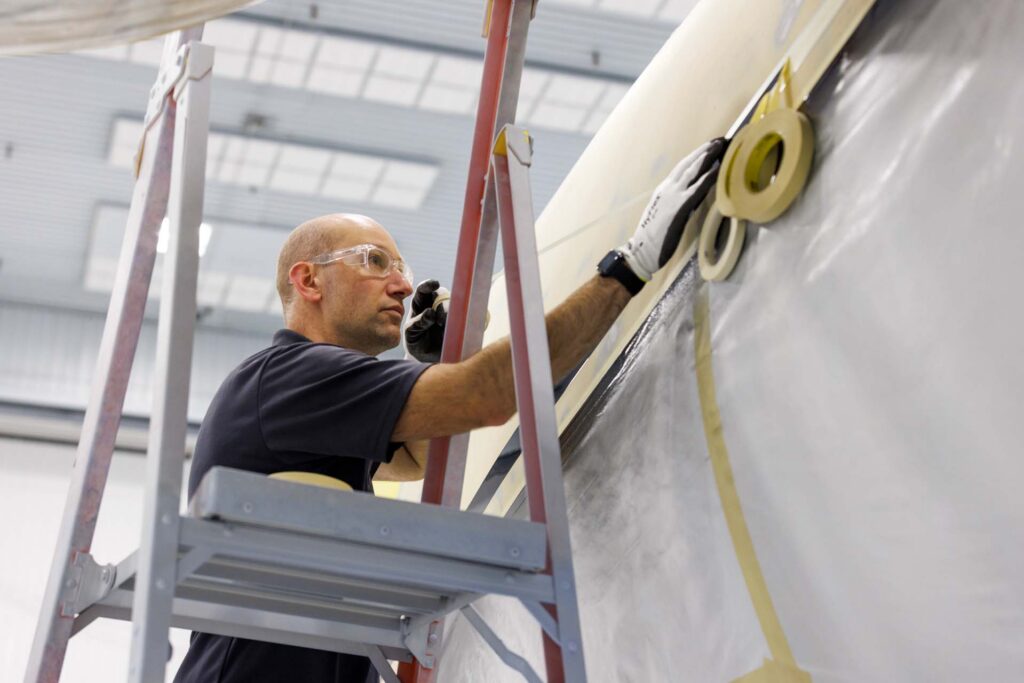
Photo provided by Gulfstream Aerospace Corp.
Why are workforce partnerships important? Gulfstream has invested heavily in workforce partnerships with local high schools, colleges, and universities. Why are these programs important to you and Gulfstream?
Building the next generation of workforce is a priority for Gulfstream. We know the future of our industry depends on attracting and developing talent and that is why we work closely with educational partners. These partnerships help students gain exposure to the many opportunities in aviation while creating pathways for them to build meaningful careers right here in the St. Louis region.
Like much of the aerospace industry, we’re always looking for skilled talent across a variety of technical and manufacturing disciplines, and we’ve had great success investing in programs that help develop local talent.
One example is our partnership with The Center for Academic and Vocational Excellence in Belleville through our Build a Box program. Gulfstream employees bring hands-on aviation manufacturing experiences into the classroom, helping students explore career opportunities and build skills that can support future careers in the industry.
Business aviation continues to evolve with new aircraft technologies and customer expectations. How is the St. Louis operation preparing its workforce and facilities for the next generation?
We continue to invest in our people, facilities, and technology to ensure we’re ready to support the next-generation Gulfstream fleet that continues to expand across the globe. Our focus is on maintaining the high standards of safety, service, and innovation Gulfstream is known for while also creating an environment where employees have the tools and training they need for long-term success.
Many aerospace companies are competing for the same skilled workers. What sets Gulfstream apart?
Gulfstream offers employees the opportunity to work on some of the most advanced aircraft in the industry while building rewarding careers with competitive benefits and opportunities for growth. Many people are surprised by the variety of professional opportunities available within Gulfstream, from skilled manufacturing and avionics to engineering, customer support, and business operations.
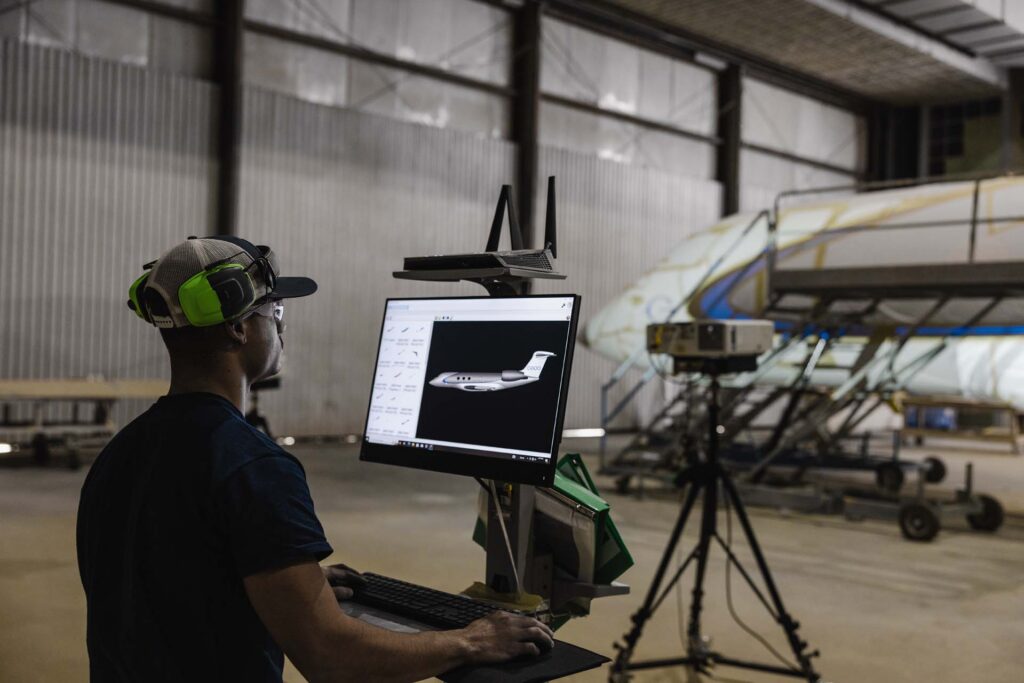
Photo provided by Gulfstream Aerospace Corp.
You’ve highlighted Gulfstream’s sustainability initiatives, including sustainable aviation fuel and electric ground power equipment. How do sustainability commitments translate into day-to-day operations?
Sustainability is a priority across all aspects of our business. That includes designing highly efficient aircraft, advancing the development and use of sustainable aviation fuel, and implementing our strategy to reduce the environmental impact of our operations. In St. Louis, we’ve introduced initiatives such as electric ground power units and the use of electric vehicles to transport parts throughout the facility, helping reduce emissions from our operations. We continue evaluating ways to operate our facilities more efficiently while also supporting our customers with their own sustainability goals.
The St. Louis region has seen billions of dollars in aerospace investment in recent years. How does Gulfstream benefit from being part of that broader ecosystem, and where do you see opportunities for greater collaboration regionally?
We benefit from being part of a vibrant aerospace community that brings together manufacturers, educational institutions, and community leaders. These relationships help strengthen the talent pipeline, encourage innovation, and create opportunities that support growth across the region. We believe there is tremendous value in continuing to work together to advance St. Louis as a leading aerospace destination.
Looking ahead five years, what do you hope Gulfstream’s St. Louis area operation will be known for, whether that’s innovation, workforce development, customer service, all of the above, or something else?
I’d like Gulfstream St. Louis to be known for all the things that matter most to our customers and employees: exceptional safety and quality, a talented workforce, innovation, and community partnerships. We have a strong foundation today, and we’re excited about the opportunities ahead as we continue nurturing our presence in the region and supporting customers from around the world.
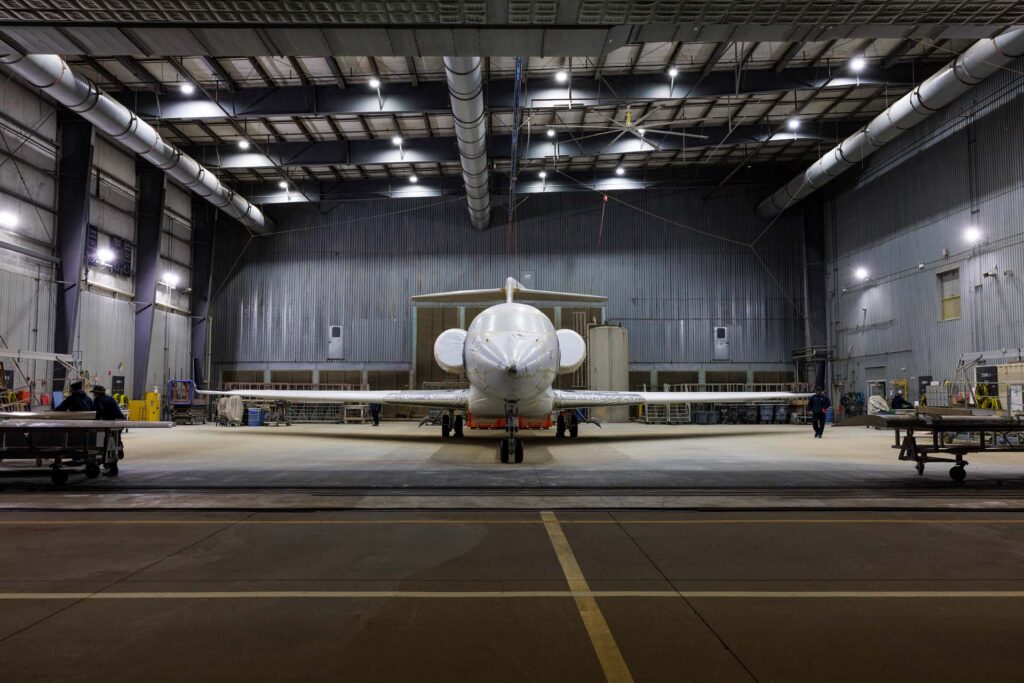
Photo provided by Gulfstream Aerospace Corp.